
Redis client use-after-free bug discovered through flaky test investigation
Memory safety bugs in widely-used infrastructure clients can cause production crashes and data corruption across thousands of applications.
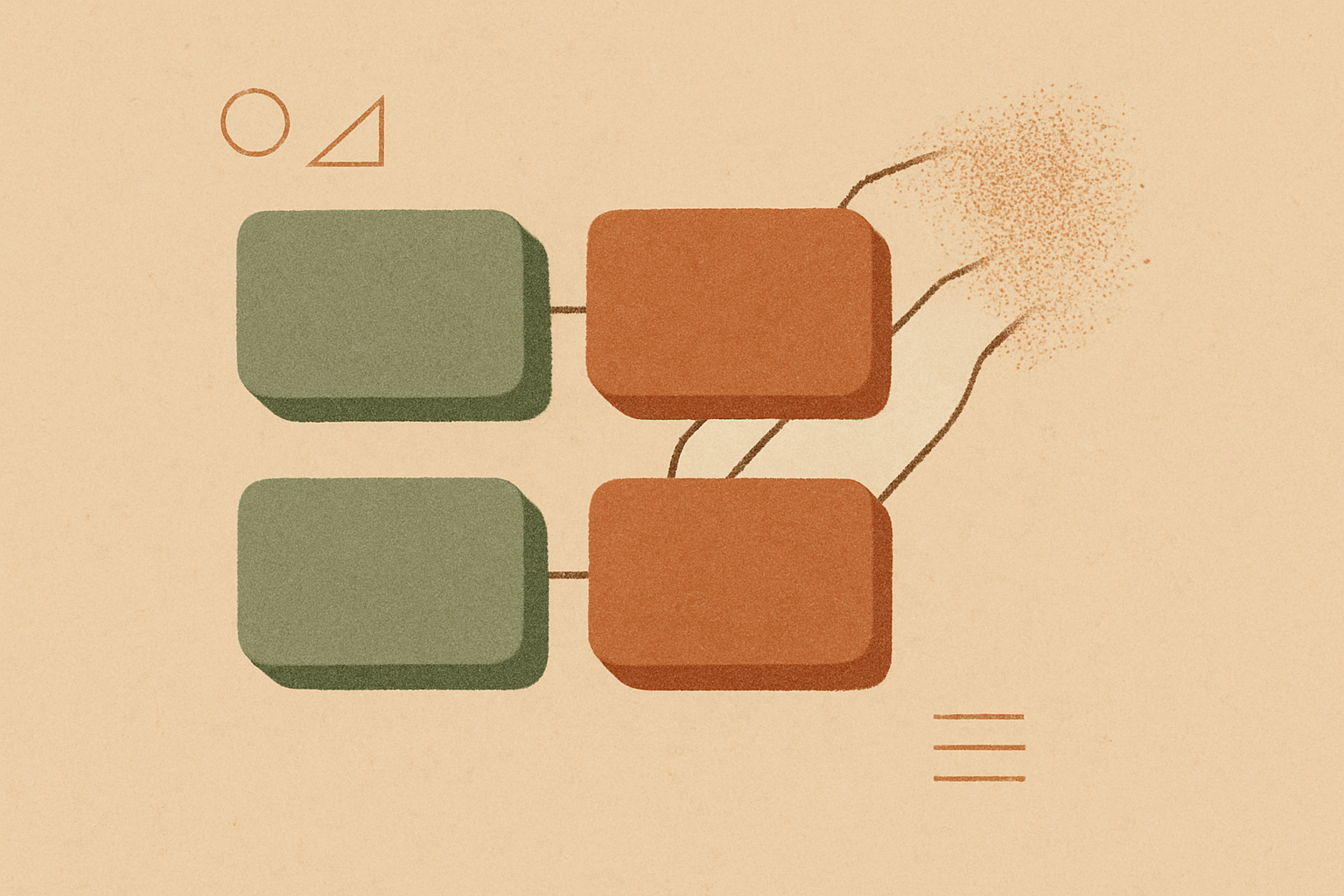
Bug discovery process
Buildkite engineers investigating a flaky test uncovered a use-after-free vulnerability in their Redis client implementation. The intermittent test failure occurred when the client attempted to access memory that had already been deallocated, a classic memory safety issue.
Use-after-free bugs represent a category of memory corruption vulnerabilities where code references memory after it has been freed. These bugs are particularly dangerous because they can lead to crashes, data corruption, or in some cases, exploitable security vulnerabilities.
Technical root cause
The bug stemmed from improper lifetime management of connection objects in the Redis client. When connections were closed or recycled, references to freed memory remained accessible to other parts of the codebase, creating a race condition that manifested intermittently.
The engineering team traced the issue through memory profiling and careful examination of connection pooling logic. The fix required restructuring how connection objects were managed across the client's lifecycle, ensuring that all references were invalidated before memory deallocation.
Value of flaky tests
The discovery highlights how intermittent test failures can expose real production issues. While flaky tests are often dismissed as noise, they sometimes indicate timing-dependent bugs that occur rarely but have severe consequences when they do.
Buildkite's investigation demonstrates the importance of treating flaky tests seriously rather than simply re-running them until they pass. The company's engineering culture of investigating root causes led to finding and fixing a bug that could have caused production incidents.