NASA Artemis Lunar Lander Strategy in Flux: EPO/CoLA Orbit Unlocks Blue Origin Three-Launch Architecture
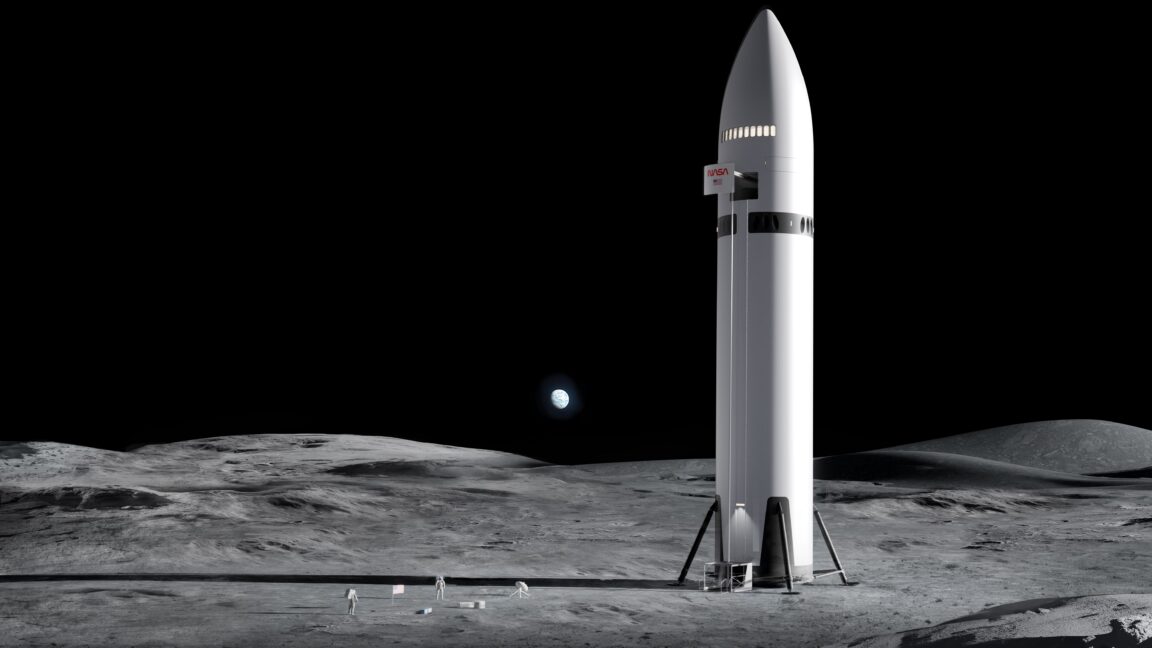
Following NASA Administrator Jared Isaacman's sweeping Artemis program restructuring, a new technical deep-dive from Ars Technica reveals that the cancellation of the Gateway lunar station and the shift to an Elliptical Polar Orbit with Coplanar Line of Apsides (EPO/CoLA) unlocks a significantly simpler three-launch architecture for Blue Origin's Blue Moon MK2 lander using New Glenn rockets. Blue Origin has been refining a plan that requires only three New Glenn 9×4 launches — a simplified MK2 lander plus two transfer stages — compared to SpaceX Starship's requirement for one- to two-dozen tanker refueling missions in low-Earth orbit. The detail adds critical context for infrastructure and aerospace engineers tracking the commercial launch ecosystem, procurement opportunities, and the competitive dynamics between SpaceX and Blue Origin in the race to return humans to the Moon before China.
Key Takeaways
- NASA's shift from near-rectilinear halo orbit (NRHO, used for Gateway) to EPO/CoLA orbit (100 km closest lunar approach vs. NRHO's 3,000 km) dramatically reduces lander propellant requirements and enables new mission architectures\n· Blue Origin refining a three-launch New Glenn 9×4 plan for Blue Moon MK2: one launch for the simplified MK2 lander, two for transfer stages that dock in LEO — no orbital refueling required (vs. SpaceX Starship's ~dozen tanker missions)\n· Artemis IV (first Moon landing attempt) now targets late 2028; the EPO/CoLA approach was derived from a 2022 NASA Johnson Space Center astrodynamics paper — Centaur V replaces EUS on SLS for Artemis IV+ for additional propulsive capability
Original source: Ars Technica